
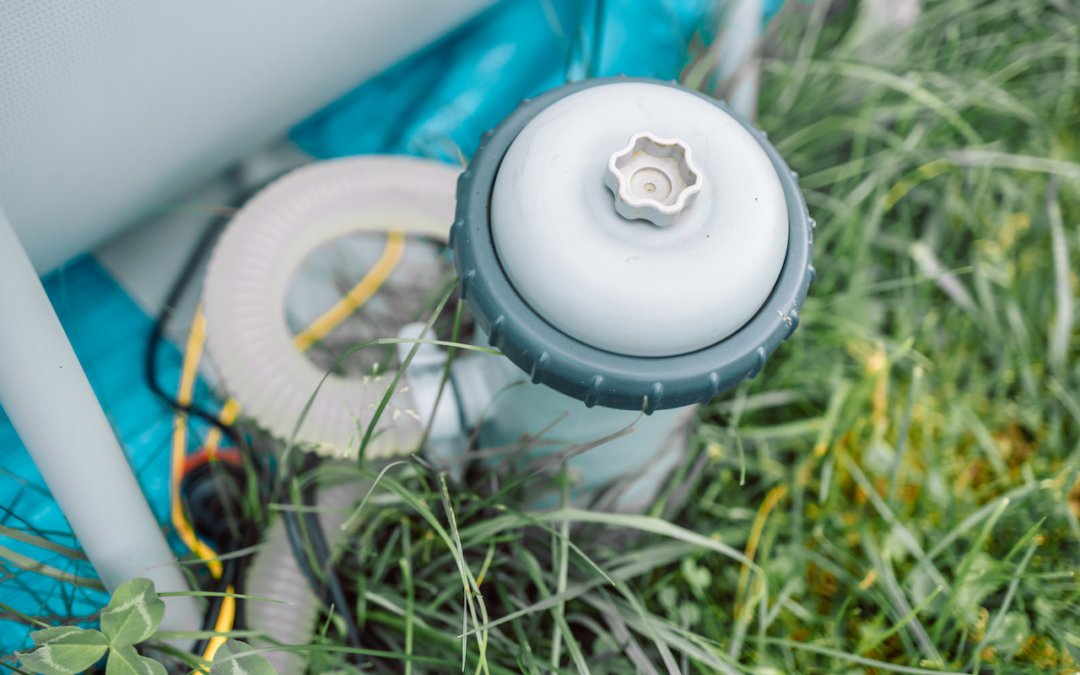
If your pool pump is running but not circulating water, you may notice weak return jets, a pump basket that will not fill, air bubbles coming into the pool, or water that appears stagnant.
Although the motor may sound like it is working normally, the circulation system may have lost its prime, developed a blockage, or encountered another problem that prevents water from moving properly. Identifying the cause early can help protect your pool equipment and water quality.
If your pump continues running without moving water, contact Pool Professionals for expert troubleshooting and dependable pool pump repair.
Why Is My Pool Pump Running but Not Circulating Water?
A swimming pool circulation system draws water through the skimmer and main drain, moves it through the pump and filtration equipment, and returns the filtered water to the pool. If any part of this process becomes restricted or stops working correctly, circulation can weaken or stop even while the pump motor remains on.
The CDC’s pool operation guidance explains the importance of maintaining pool systems properly. Circulation and filtration help support effective pool operation and water quality.
Common causes of a pool pump not circulating water include:
- Low pool water level: The skimmer may draw air instead of water.
- Clogged skimmer or pump basket: Leaves, grass, insects, and other debris restrict water entering the pump.
- Loss of prime: Air inside the pump or suction plumbing prevents normal water movement.
- Air leaks: A damaged pump lid O-ring, loose fitting, or leaking suction connection can allow air into the system.
- Dirty pool filter: Accumulated debris can restrict water leaving the filtration system.
- Blocked pump impeller: Debris caught inside the impeller can prevent the pump from moving enough water.
- Incorrect valve settings: A closed or partially closed valve may interrupt the intended flow path.
- Pump or motor problems: Worn components, electrical faults, or an incorrect operating speed can reduce circulation.
The right solution depends on the symptoms and where the water flow is being interrupted. Checking a few visible conditions first can help you narrow down the problem without replacing equipment unnecessarily.
For more pool care advice, visit the Pool Professionals blog for additional maintenance guidance.
How to Tell If Your Pool Pump Is Not Circulating Water
A running motor does not necessarily mean your pool is receiving adequate circulation. Look for these warning signs.
1. Weak or Missing Return-Jet Flow
The return jets should send a steady stream of water back into the pool when the system is operating normally. If the flow is noticeably weaker than usual or has stopped completely, a blockage, dirty filter, priming problem, or pump issue may be responsible.
Check whether all return jets are affected or only one. If every return has weak flow, the problem may involve the pump, filter, or a shared section of plumbing. If only one return is affected, a localized obstruction or valve issue may be more likely.
2. Air Bubbles Coming From the Return Jets
A few bubbles immediately after startup may be temporary. However, persistent bubbles can indicate that air is entering the suction side of the circulation system.
Inspect the clear pump lid, if your equipment has one. A pump basket that remains partially filled with air, repeatedly loses water, or produces a gurgling sound may indicate a priming problem or suction-side air leak.
3. A Pump Basket That Is Not Filling With Water
The pump strainer basket should generally remain filled with water during normal operation, although the precise appearance can vary by pump model and speed.
If the basket remains mostly empty, the pump may not be drawing enough water from the pool. A low pool level, blocked skimmer line, closed valve, or air leak could be preventing the pump from establishing or maintaining prime.
Important: Turn off the pump if it is running dry or cannot establish prime. Continued operation without adequate water can damage seals and other components.
4. Water Quality Is Getting Worse
Insufficient circulation makes it harder for the filtration system to capture debris and distribute sanitizer throughout the pool. You may notice cloudy water, algae growth, floating debris, or areas where water appears stagnant.
Poor circulation does not automatically mean your water chemistry is incorrect, but it can contribute to water-quality problems. The CDC’s guidance on preventing swimming-related illnesses explains how filtration and disinfection work together to support healthier swimming water.
Once the mechanical issue is resolved, check and balance your pool water as needed.
Common Causes of a Pool Pump Not Circulating Water
1. Low Pool Water Level
Your pool needs sufficient water to supply the skimmer continuously. If the level drops too low, the skimmer may begin pulling air into the plumbing instead of supplying a steady stream of water to the pump.
Evaporation, splashing, backwashing, and leaks can all contribute to a falling water level.
What to do:
- Check the water level against the skimmer’s recommended operating range.
- Add water if the level is too low.
- Watch for a strong vortex or air being drawn into the skimmer.
- If the water level keeps dropping unexpectedly, investigate a possible leak.
Once the water level is restored, check whether the pump can establish prime. If it still cannot move water, another restriction or air leak may be present.
2. Clogged Skimmer or Pump Basket
Baskets catch leaves, pine needles, insects, hair, and other debris before they can enter the circulation system. When a basket becomes packed with debris, it restricts water flow and may contribute to loss of prime.
To inspect a basket safely:
- Turn off the pump and disconnect power according to the equipment manufacturer’s instructions.
- Allow the system to stop completely.
- Open the appropriate basket compartment only after confirming it is safe to do so.
- Remove debris and rinse the basket.
- Check for cracks or damage and reinstall it correctly before restarting.
Never remove a pump lid while the pump is operating. Follow the manufacturer’s shutdown and pressure-relief procedures, and do not open pressurized filter equipment.
Regularly emptying baskets is one of the simplest ways to help prevent pool circulation problems.
3. The Pool Pump Has Lost Prime
Priming allows the pump housing and suction plumbing to fill with water so the pump can draw water from the pool. If too much air enters the system, the pump may run without producing useful flow.
A pump can lose prime after the water level drops, the pump basket is cleaned, plumbing is opened for maintenance, or an air leak develops.
How to troubleshoot a pool pump not priming:
- Confirm the pool water level is adequate.
- Check that the skimmer and pump baskets are clean.
- Verify that the appropriate suction valves are in their normal operating positions.
- Inspect the pump lid and its sealing ring for dirt, damage, or improper seating.
- Follow the pump manufacturer’s instructions for priming the system.
Never let a pump continue running dry while waiting for it to catch prime. If the pump will not prime after the approved procedure, shut it off and arrange professional inspection.
4. A Pool Pump Air Leak
Air leaks can prevent a pump from maintaining prime and reduce the volume of water moving through the system. Unlike many water leaks, suction-side air leaks may not leave an obvious puddle because air can enter while the pump is operating.
Possible locations include:
- The pump lid O-ring or gasket
- Loose suction-side unions or fittings
- Drain plugs and their seals
- Valve connections and seals
- Cracked or damaged suction plumbing
Look for persistent air in the pump basket, repeated loss of prime, or bubbles coming from the return jets. Do not use an open flame or other unsafe method to locate leaks.
If the source is not obvious, a qualified technician can test the system and identify the faulty seal, fitting, or plumbing component.
5. A Dirty or Clogged Pool Filter
The filter removes contaminants from circulating water. Over time, trapped debris can restrict flow, particularly when a filter needs cleaning or backwashing according to its manufacturer’s instructions.
A dirty filter often produces weaker return flow alongside a filter-pressure reading that is higher than the system’s normal clean-filter baseline.
The appropriate maintenance procedure depends on your filter type:
- Sand filters: May require backwashing when indicated by the manufacturer.
- Diatomaceous earth (DE) filters: May require backwashing and periodic cleaning or recharging.
- Cartridge filters: Usually require cartridge removal and cleaning, with replacement when necessary.
Do not rely on one universal pressure reading for every pool. Compare the gauge with your own system’s normal operating pressure and follow the filter manufacturer’s guidance.
If cleaning does not restore circulation, the restriction may be elsewhere in the system.
6. A Clogged Pool Pump Impeller
The impeller is the rotating component that helps move water through the pump. Debris that passes the strainer basket can become lodged in or around the impeller, reducing water movement even if the motor continues to run.
Possible warning signs include:
- Weak return flow despite clean baskets
- Difficulty establishing prime
- Lower-than-normal filter pressure
- Unusual noises or changes in pump performance
Leaves, small twigs, and other debris may contribute to impeller blockages, especially if a basket is damaged or missing.
Impeller inspection generally requires opening equipment and may involve sharp debris or electrical and mechanical hazards. Turn off power before any service, and leave internal disassembly to a qualified pool technician unless you are trained and authorized to perform the procedure safely.
7. Incorrect Valve Positions or a Blocked Return Line
Pool systems use valves to direct water through skimmers, drains, filters, heaters, water features, and return lines. If a valve is closed, partially closed, or positioned incorrectly, it may restrict circulation.
A return-side blockage can also prevent water from flowing back into the pool as expected.
If someone recently cleaned the filter, serviced the equipment, or adjusted a water feature, check whether the valves and controls were returned to their normal settings. Only adjust clearly identified valves when you understand their function and can follow the equipment instructions.
Never force a stuck valve or experiment with unfamiliar settings while the pump is running. Incorrect valve positions can create excessive pressure or interfere with equipment operation.
8. Pump Speed, Motor, or Electrical Problems
Modern variable-speed pumps can run at different speeds depending on programmed schedules, automation settings, and pool features. A pump operating at a speed that is too low for the active system may provide insufficient flow for effective circulation.
If your pump uses a controller, check the displayed speed, active schedule, and any error messages. Compare the current settings with the equipment manufacturer’s recommendations and the system’s normal configuration.
Mechanical or electrical problems can also prevent proper operation. A failing motor, damaged internal component, or electrical fault may require specialized diagnosis.
Stop using the equipment if the motor overheats, smells burnt, makes grinding noises, leaks near electrical components, or repeatedly trips a breaker. Do not open electrical compartments or repeatedly reset a tripping breaker. Contact a qualified professional.
How to Use Pool Filter Pressure to Troubleshoot Low Water Flow
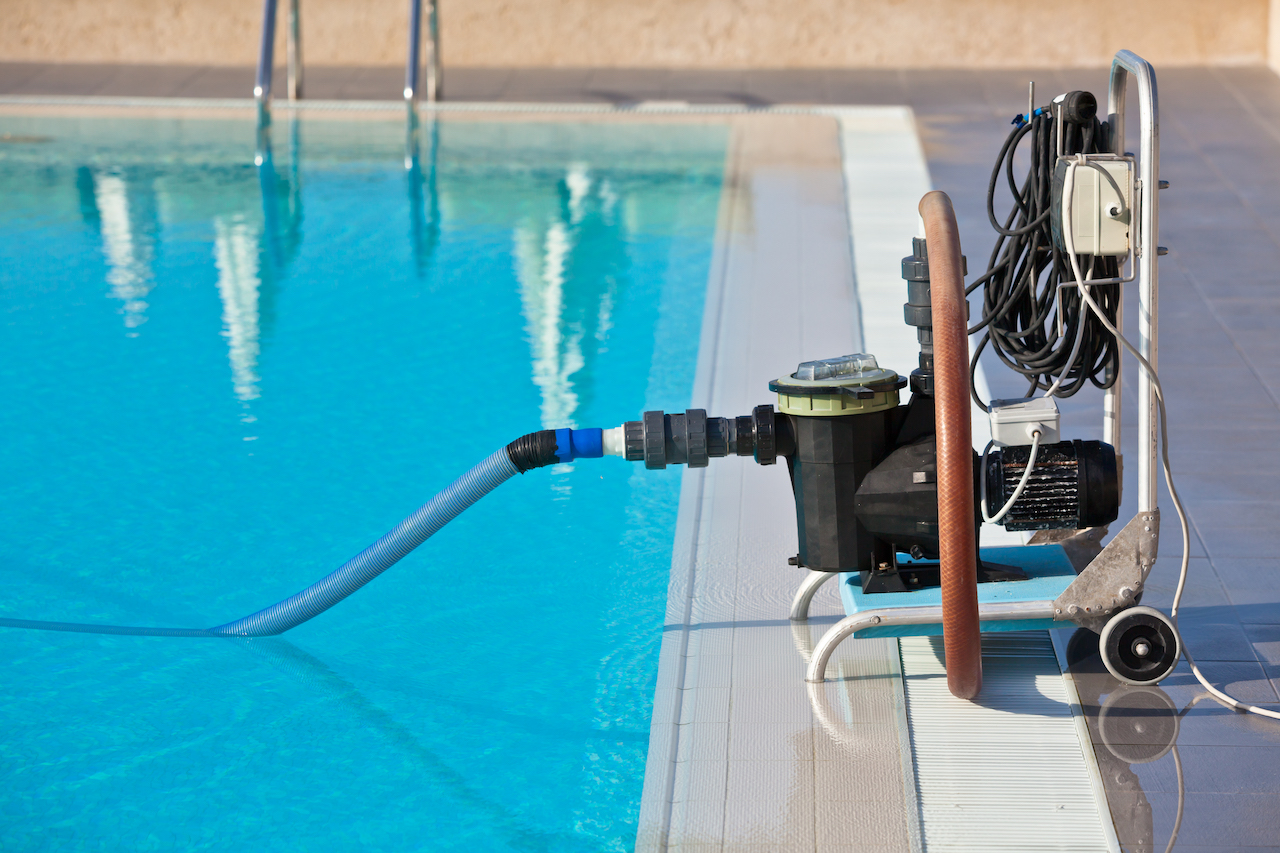
Your pool filter’s pressure gauge can provide useful clues about why circulation has weakened. However, pressure alone does not confirm a specific fault. Always compare the reading with your pool’s normal clean-filter baseline under similar operating conditions.
| What you observe | Possible cause | Recommended next step |
| High pressure and weak returns | Dirty filter or pressure-side restriction | Follow the filter manufacturer’s cleaning procedure |
| Low pressure and a pump basket full of air | Lost prime, suction-side air leak, or low water | Shut down if the pump cannot maintain prime; inspect safe, visible conditions |
| Low pressure and a mostly full pump basket | Low pump speed, suction restriction, impeller problem, or gauge issue | Verify settings and arrange further diagnosis if flow remains weak |
| Normal pressure but one weak return | Localized blockage, valve issue, or return-line problem | Check the normal valve configuration and seek service if needed |
| Pressure changes suddenly with no clear reason | Valve change, blockage, air intrusion, or equipment fault | Turn off the pump if operation appears unsafe and investigate the cause |
Pressure readings vary by equipment, plumbing configuration, pump speed, and filter condition. A gauge that is stuck or inaccurate can also mislead you.
Never loosen a filter clamp, remove a filter lid, or open pressurized equipment to troubleshoot circulation. Shut down the system and follow the manufacturer’s pressure-relief instructions before performing approved maintenance.
When Should You Call a Pool Repair Professional?
Basic visual checks may reveal a low water level or a basket full of leaves. Other problems require more specialized equipment, internal inspection, or plumbing tests.
Contact a pool repair professional if:
- The pump repeatedly loses prime or will not establish prime.
- Water flow remains weak after safe, routine checks.
- You suspect a clogged impeller or blocked underground plumbing.
- The filter pressure is abnormal and the cause is unclear.
- You notice persistent air bubbles or suspected plumbing leaks.
- The pump overheats, makes unusual noises, or shows signs of electrical damage.
- A breaker trips repeatedly or equipment leaks near electrical components.
Continuing to run a pump without adequate water can damage equipment, while operating against a restriction can create unsafe pressure conditions. Shutting the system down when a serious issue appears is often the safest way to prevent additional damage.
The CDC’s pool inspection training resources provide additional background on circulation, filtration, and other components of pool operation.
How to Prevent Pool Circulation Problems
Routine maintenance helps catch small issues before they interrupt water flow or damage equipment.
Use this checklist to keep your pool circulation system in good working order:
- Check water levels: Keep the water within the recommended operating range for your skimmer.
- Empty baskets regularly: Remove debris from skimmer and pump baskets before they become packed.
- Inspect visible seals: Look for worn pump lid O-rings, damaged fittings, and signs of air entering the system.
- Monitor filter pressure: Record the clean-filter baseline and follow the manufacturer’s maintenance guidance.
- Maintain the filter: Clean or backwash it when indicated for your specific equipment.
- Review valve positions: Make sure the system is configured correctly after maintenance or changes to water features.
- Check pump settings: Confirm variable-speed schedules and operating modes provide the flow required by your pool.
- Watch the return jets: Notice changes in flow, persistent bubbles, or unusual equipment sounds.
- Maintain water chemistry: Test and balance the water regularly to help prevent algae and other water-quality issues.
- Schedule professional inspections: Have persistent or recurring equipment problems evaluated before they cause more serious damage.
Consistent care can improve equipment reliability, help maintain clear water, and reduce unexpected repair needs.
For additional seasonal maintenance advice, read Pool Professionals’ guide to best practices for closing your pool. Proper preparation for the off-season can help protect pool equipment and plumbing when temperatures drop.
Restore Your Pool’s Water Circulation With Pool Professionals
If your pool pump is running but not circulating water, addressing the problem promptly can help protect your equipment, support effective filtration, and prevent water-quality issues. While checking the water level, cleaning accessible baskets, and reviewing visible valve settings may reveal a simple cause, persistent circulation problems often require a closer inspection of the pump, filter, plumbing, and controls.
Pool Professionals offers pool pump repair, filter repair, and comprehensive pool service to help homeowners and commercial pool operators identify equipment problems and restore reliable circulation. Don’t let a small issue turn into a larger repair. Contact Pool Professionals to request assistance.
Call your local Pool Professionals office:
- Raleigh: 919-787-7878
- Greensboro: 336-668-1446
- Wilmington: 910-399-1083
Get professional help diagnosing your pool circulation problem and keeping your water clean, clear, and ready to enjoy.
FAQ: Pool Pump Not Circulating Water
Why is my pool pump running but not moving water?
Common causes include low pool water, clogged baskets, lost prime, a suction-side air leak, incorrect valve settings, a dirty filter, a blocked impeller, or a pump operating at an unsuitable speed. Start by checking the water level, visible baskets, and normal valve positions. Shut the pump off if it is running dry or cannot establish prime.
Can a pool pump run with no water in it?
A pump motor may continue running even when the pump housing contains insufficient water, but this is not a safe operating condition. Dry running can damage seals and other pump components. Turn off the pump if it cannot establish prime, and follow the manufacturer’s troubleshooting procedure before restarting.
Why does my pool pump have air in the basket?
Air in the pump basket can result from a low pool water level, a skimmer drawing air, a poorly seated or damaged lid O-ring, a loose suction fitting, or another suction-side leak. A small air pocket can be normal in some systems, but a basket that repeatedly loses water or contains persistent air needs attention.
Can a dirty pool filter stop water circulation?
Yes. A heavily loaded filter can restrict water flow and cause weak return jets. Check the pressure gauge against the filter’s normal clean operating pressure, then follow the manufacturer’s cleaning or backwashing procedure. If flow remains poor after proper maintenance, another restriction or equipment issue may be present.
Should I turn off my pool pump if water is not circulating?
Yes, if the pump is running dry, cannot establish prime, is overheating, or appears to be operating against a serious restriction. Turn it off and follow the manufacturer’s safety instructions. Do not open pressurized equipment or attempt electrical repairs yourself.
How do I know whether my pool pump needs repair or replacement?
Weak circulation does not automatically mean the entire pump needs replacing. A low water level, clogged basket, dirty filter, or air leak may be correctable without replacing the pump. Persistent flow problems, motor damage, recurring loss of prime, or internal component failures warrant professional diagnosis before deciding whether repair or replacement is appropriate.
Related Topics
Recent Comments